

Thinking about freshening up your place with a new coat of paint? It sounds like a straightforward weekend project, right? Well, sometimes it is. But other times, what seems like a simple DIY job can quickly become a headache. If you're weighing up whether to grab the brushes yourself or call in the pros, consider these points. For those in East London needing a reliable service, knowing when to hire a painter is key.
Key Takeaways
- 1. High Or Hard-To-Reach Areas: Jobs involving tall ceilings, stairwells, or exteriors are risky for DIYers. Professionals have the right gear and training to handle these safely.
- 2. Significant Surface Damage Or Repairs Needed: Cracks, holes, or water stains need proper fixing before painting. Pros know how to prep surfaces for a lasting finish.
- 3. Tight Timeline: If you need the job done quickly, professional painters can complete large projects much faster than a DIYer.
- 4. Extensive Prep Work: Tasks like stripping wallpaper, sanding, or detailed masking take a lot of time and effort. Professionals handle all the prep work efficiently.
- 5. Potential Hazards: Dealing with old paint (which might contain lead) or other hazardous materials requires special knowledge and safety measures. It's safer to hire a painter in East London for situations like these.
1. High Or Hard-To-Reach Areas
Got a tall hallway, a vaulted ceiling, or maybe the outside of your house to paint? While it might seem like a straightforward job, these kinds of areas can quickly turn into a DIY nightmare. Working at height is genuinely risky, and it’s not just about a bit of inconvenience. You’re looking at needing proper ladders, maybe even scaffolding, and the right safety gear. Without these, you’re putting yourself in a precarious position, and frankly, it’s just not worth the potential for a nasty fall.
Professionals, on the other hand, have the equipment and the training to handle these jobs safely and efficiently. They know how to secure ladders, use safety harnesses, and navigate tricky spaces without compromising the finish or their well-being. It’s about getting the job done right, and more importantly, getting it done safely.
Think about these scenarios:
- Painting the top of a two-storey staircase.
- Applying a fresh coat to a high-gloss ceiling in a living room.
- Tackling the exterior of a three-bedroom house, including gutters.
Trying to reach awkward spots with a standard ladder often leads to overstretching, which can result in paint splatters, uneven coverage, and a higher chance of accidents. Professionals have specialised tools to reach these areas without compromising quality or safety.
2. Significant Surface Damage Or Repairs Needed
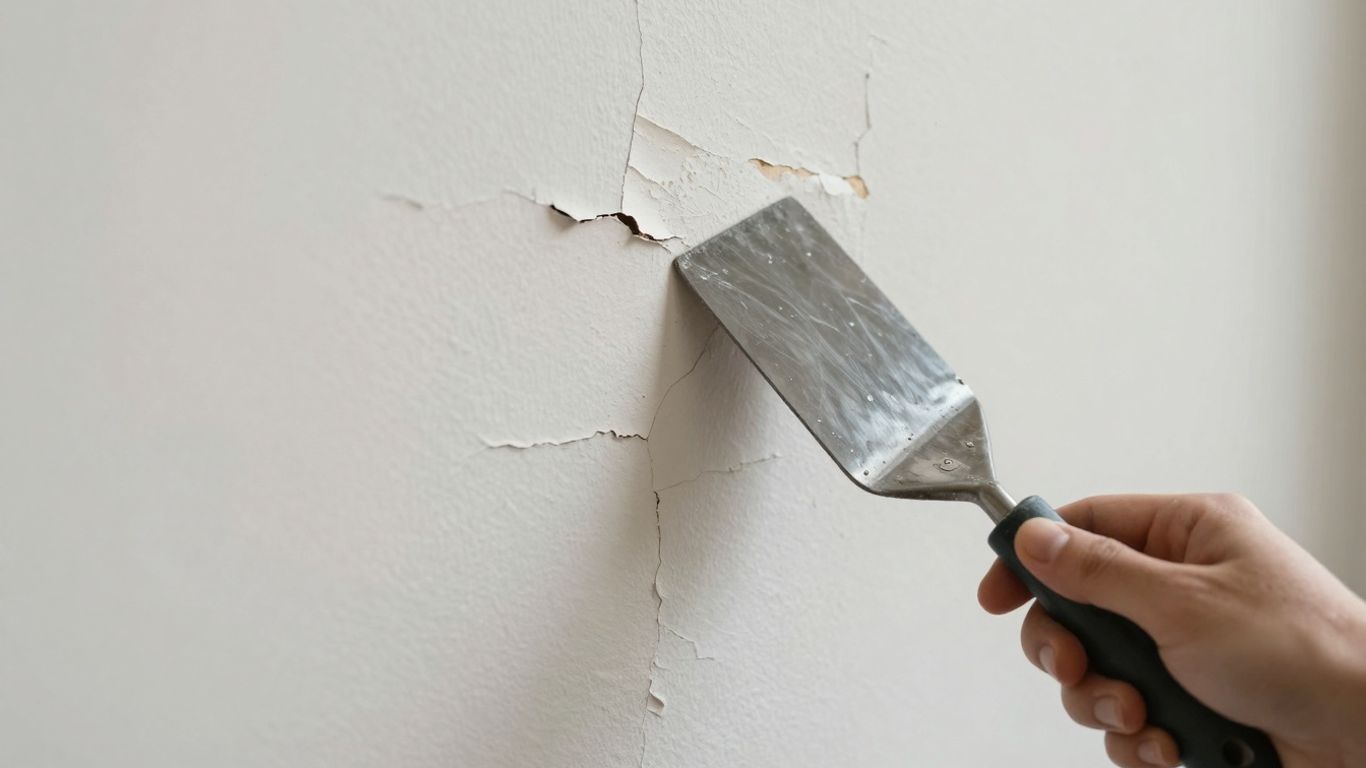
So, you've had a good look at the walls, and it's not just a few scuffs. We're talking cracks that look like tiny lightning bolts, maybe some bubbling paint that’s starting to peel away like a bad sunburn, or even those dreaded water stains that just won't quit. Trying to paint over these problems is like putting plaster on a broken bone – it just won't hold.
If your walls are looking a bit worse for wear, a DIY job can quickly turn into a much bigger headache. You might think a bit of filler will do the trick, but for a truly smooth and lasting finish, you need to address the underlying issues. This often involves more than just a quick wipe-down.
Here’s what you might be up against:
- Drywall damage: Holes, dents, or cracks need proper patching and sanding.
- Peeling or flaking paint: This needs to be scraped back, sanded smooth, and then primed before any new paint goes on.
- Water stains: These are stubborn and require special stain-blocking primers to prevent them from bleeding through your new paint.
- Uneven surfaces: Old plaster or previous shoddy repairs can leave walls feeling bumpy. This might need skimming or extensive sanding.
Tackling significant surface repairs before painting requires specific tools and a good understanding of how different materials react. Getting this wrong can mean your new paint job starts to fail in a matter of weeks, not years.
While you can certainly buy filler and sandpaper, achieving a perfectly smooth, undetectable repair that will take paint evenly is an art. Professionals have the experience and the right products to eliminate these imperfections, leaving you with a surface ready for a flawless coat of paint. It’s about making sure the foundation is sound before you start decorating.
3. Tight Timeline
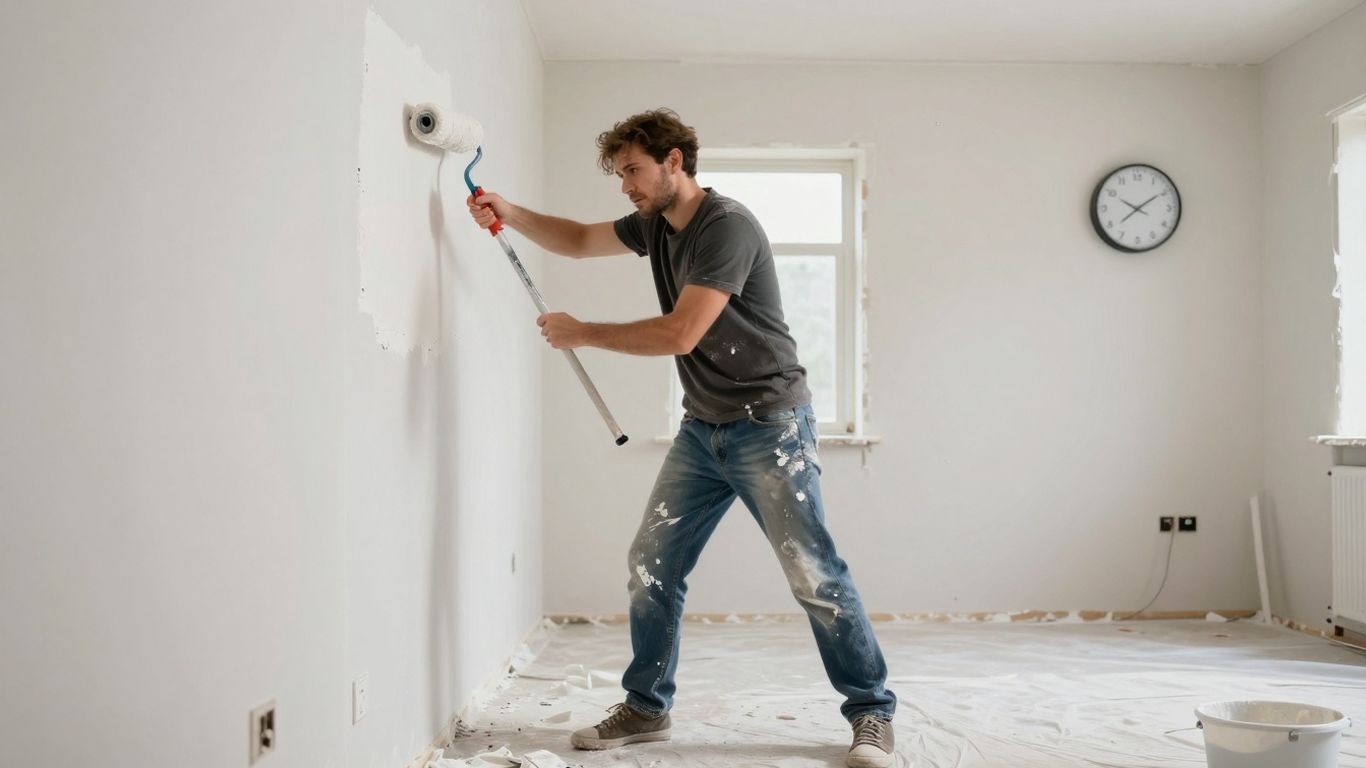
Life gets busy, doesn't it? Between work, family, and trying to squeeze in a social life, finding the time to tackle a big painting project can feel impossible. If you've got a deadline looming, like an upcoming house sale, a party, or just a general renovation schedule to stick to, trying to do it yourself is probably not the best idea. While a small touch-up might be manageable, painting an entire house, or even just a few rooms, can take up weeks of your evenings and weekends.
Professional East London Painters, on the other hand, have organised teams who know how to work efficiently. They can get the job done much faster than you could on your own, often completing an average interior in just a couple of days. This means you get a fresh coat of paint without sacrificing all your free time.
Here's a quick look at how the time commitment stacks up:
- DIY Painting: Expect to spend multiple weekends and evenings over several weeks. This doesn't even account for unexpected delays or mistakes.
- Professional Painting: A team can often complete a similar-sized job in just 1-3 days, depending on the scope.
When you're up against the clock, it's worth considering whether your time is better spent elsewhere. Hiring a professional painting service like Skyline Painters can be a smart move to ensure the job is completed on schedule and to a high standard, freeing you up to focus on other important tasks.
4. Extensive Prep Work
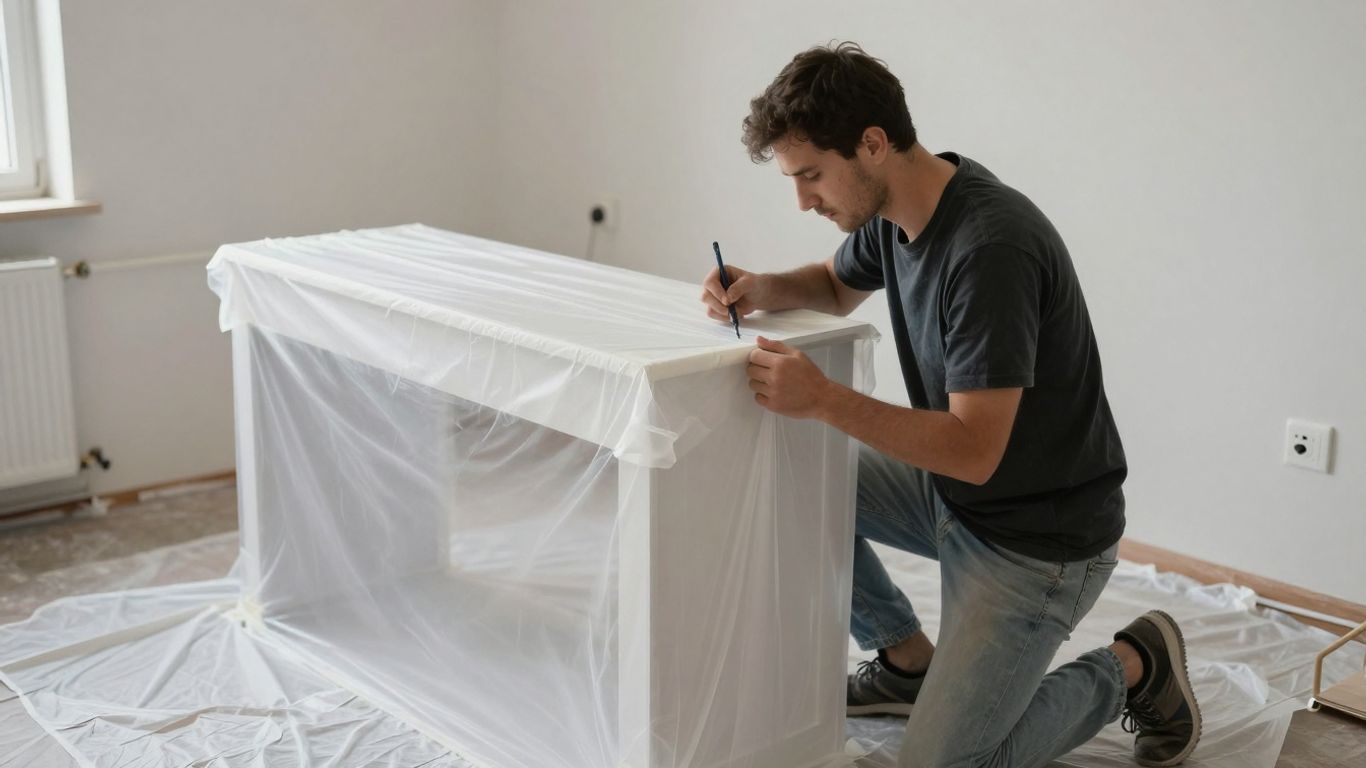
Right, let's talk about prep. This is honestly where most DIY painting jobs go sideways. You might think slapping on a coat of paint is the main event, but the real magic, and the real work, happens before the brush even touches the wall. We're talking about filling holes, sanding down imperfections, cleaning surfaces until they gleam, and masking off every single bit of trim, light fixture, or window frame you don't want touched. This stage is absolutely critical for a smooth, lasting finish.
Think about it: if the surface isn't perfectly smooth, your new paint will highlight every bump and crack. If it's not clean, you'll get peeling or bubbling down the line. And don't even get me started on trying to get crisp, clean lines around intricate details – it's a nightmare for the uninitiated.
Here's a quick look at what's involved:
- Surface cleaning: Removing dirt, grease, and grime is non-negotiable.
- Repairs: Filling cracks, nail holes, and any other blemishes.
- Sanding: Creating a smooth surface for paint adhesion, which can be dusty work.
- Masking: Carefully taping off areas to protect them from paint.
- Priming: Applying a primer coat, especially over repairs or dark colours.
Trying to rush through these steps is like building a house on shaky foundations. It might look okay for a bit, but eventually, the problems will show. Professionals have the tools and the know-how to get this done efficiently and correctly, saving you a lot of potential headaches and rework later on.
If your walls look like they've been through a war, or if you're dealing with tricky surfaces like old wallpaper or textured ceilings, it's probably time to call in the pros. They’ve got the experience to handle all the prep work properly, making sure your final paint job looks fantastic and lasts for years.
5. Potential Hazards
Let's be honest, DIY painting can sometimes feel like a bit of a gamble, especially when you start thinking about the risks involved. Beyond just making a mess, there are genuine safety concerns that often get overlooked. One of the most significant dangers is exposure to harmful fumes. Paints, especially older formulations or certain types of finishes, can release volatile organic compounds (VOCs) into the air. Inhaling these can lead to immediate issues such as headaches, dizziness, and irritation of the eyes and throat. Over time, prolonged exposure could potentially lead to more serious health problems.
Then there's the physical toll. Painting often involves awkward positions, stretching, and repetitive motions. This can lead to muscle strain, back pain, and even conditions like 'painter's shoulder' if you're not used to that kind of physical exertion. It's not just about feeling a bit sore the next day; these injuries can be quite debilitating and take a long time to recover from, potentially costing you more in the long run through medical bills and lost time.
Another serious, though less obvious, hazard is the potential presence of lead in older homes. If your house was built before 1978, the paint could contain lead. Disturbing this paint during preparation, like scraping or sanding, can release lead dust into the air, which is incredibly dangerous if inhaled or ingested. Professionals have the training and equipment to handle lead-based paint safely, minimising the risk to themselves and your household.
Here are a few more things to consider:
- Electrical hazards: Painting near light fixtures, outlets, or exposed wiring requires extreme caution. A simple mistake could have severe consequences.
- Falls: Using ladders, especially on uneven ground or for extended periods, carries a significant risk of falls. Professionals are trained in ladder safety and often use scaffolding or harnesses for higher jobs.
- Chemical reactions: Mixing certain cleaning agents or using incompatible primers and paints can create dangerous fumes or reactions.
When you weigh up the potential health risks, the physical strain, and the possibility of encountering hazardous materials, it becomes clear that some painting jobs are best left to the experts. They have the knowledge, the right safety gear, and the experience to manage these risks effectively, giving you peace of mind and a professionally finished result. For more information on paint fumes and their effects, you can look into paint fume dangers.
Trying to cut corners on safety can end up costing you far more than hiring a professional in the first place.
When working with us, we want you to know about any possible dangers. We take safety seriously, but it's good to be aware.
So, When's It Time to Call in the Pros?
Look, we all like to think we can handle things ourselves, and sometimes, that’s true. A quick touch-up here, a small room there – maybe you can manage. But if you've found yourself nodding along to any of the points we've covered, from wrestling with ladders to staring at a wall that looks worse than before you started, it might be time to admit defeat.
Hiring a professional East London painter isn't just about getting the job done; it's about saving yourself a heap of stress, potential injury, and often, money in the long run when you factor in fixing mistakes.
So, next time you're eyeing up that big project, consider giving a pro a call. Your walls – and your sanity – will thank you.
Frequently Asked Questions
How much does a professional painter cost compared to DIY?
While DIY painting might seem cheaper at first, the cost of supplies, tools, and potential mistakes can add up quickly. Professional painters often offer a more cost-effective solution in the long run because they have access to better materials, work faster, and guarantee their results, helping you avoid costly future repairs.
Is it really that dangerous to paint high places myself?
Yes, it can be quite risky! Working on ladders or scaffolding to reach high ceilings or exteriors can lead to serious falls and injuries. Professional painters have the right safety equipment and training to handle these jobs safely, so you don't have to worry about accidents.
What if my walls have cracks or damage before painting?
If your walls have cracks, holes, or peeling paint, simply painting over them won't fix the problem. Professionals know how to properly repair these surfaces by patching, sanding, and priming them before painting. This ensures a smooth, long-lasting finish that looks great.
How long does it take a professional painter to finish a job?
Professional painters are much faster than most DIYers. They work in organised teams and have the experience to complete a painting job in a fraction of the time it would take you, often finishing a room or even a whole house in just a few days.
Do professional painters handle the cleanup afterwards?
Absolutely! A big part of hiring a professional is that they handle all the mess. This includes covering your furniture and floors, masking off areas, and thoroughly cleaning up after they've finished painting, leaving your space spotless.
What's the biggest mistake people make when painting themselves?
A common mistake is skipping or rushing the preparation stage. This includes not cleaning surfaces properly, not sanding rough spots, or not using the right primer. Poor preparation is a major reason why DIY paint jobs can end up with streaks, peeling, or an uneven finish.